
The honest answer to “what does mold removal cost?” is that it depends on how much material is affected and what's feeding the moisture — but you deserve real numbers, not a shrug. Below are the ranges we see across Grand Rapids and Kent County in 2026, the factors that move them, and how to make sure the quote you get is fair. These figures are typical ranges to help you budget; your actual price comes from an in-person inspection.
Typical Grand Rapids mold removal costs in 2026
- Mold inspection & testing: roughly $300–$600 for a professional inspection with air or surface sampling sent to a lab. Some companies credit this toward remediation if you hire them.
- Small, contained job (a single closet, a bathroom wall, a few square feet): roughly $500–$1,500.
- Average basement remediation: roughly $2,000–$6,000, depending on how much finished material comes out and whether the foundation moisture has to be addressed.
- Crawl space cleanup and encapsulation: roughly $3,000–$8,000+, driven by square footage, the vapor barrier system, and whether a dehumidifier or drainage is added.
- Attic mold remediation: roughly $2,000–$6,000, including the ventilation and air-sealing corrections that stop it from returning.
- Whole-home or multi-area remediation: roughly $10,000–$30,000+, reflecting the scope and the moisture corrections involved.
- Flood / water-damage response with mold: highly variable — water extraction and drying may run $1,500–$5,000 on top of remediation, more if water was contaminated.
For comparison, national averages put a typical mold remediation project somewhere in the low thousands, and Grand Rapids tends to track close to that, a bit below the big-coastal-metro prices. The spread is wide because a “mold job” can mean wiping one wall or rebuilding a flooded lower level.
What actually drives the price
Five factors do most of the work in setting your number:
- Size of the affected area. Remediation is often priced by square footage of affected material, so a problem caught early and contained costs a fraction of one that's spread.
- The moisture source. Cleaning mold is the cheap part; fixing what caused it — a foundation seep, a failed sump, attic ventilation, a leak — is what protects you from paying twice. A quote that ignores the source is a red flag.
- Type of material. Removing and rebuilding finished drywall, flooring, and trim costs more than treating bare block or framing.
- Contamination level. Confirmed toxic mold or contaminated floodwater requires more containment, protective equipment, and disposal, which raises the price.
- Access. A tight crawl space or a finished, furnished basement takes more labor than an open, empty one.
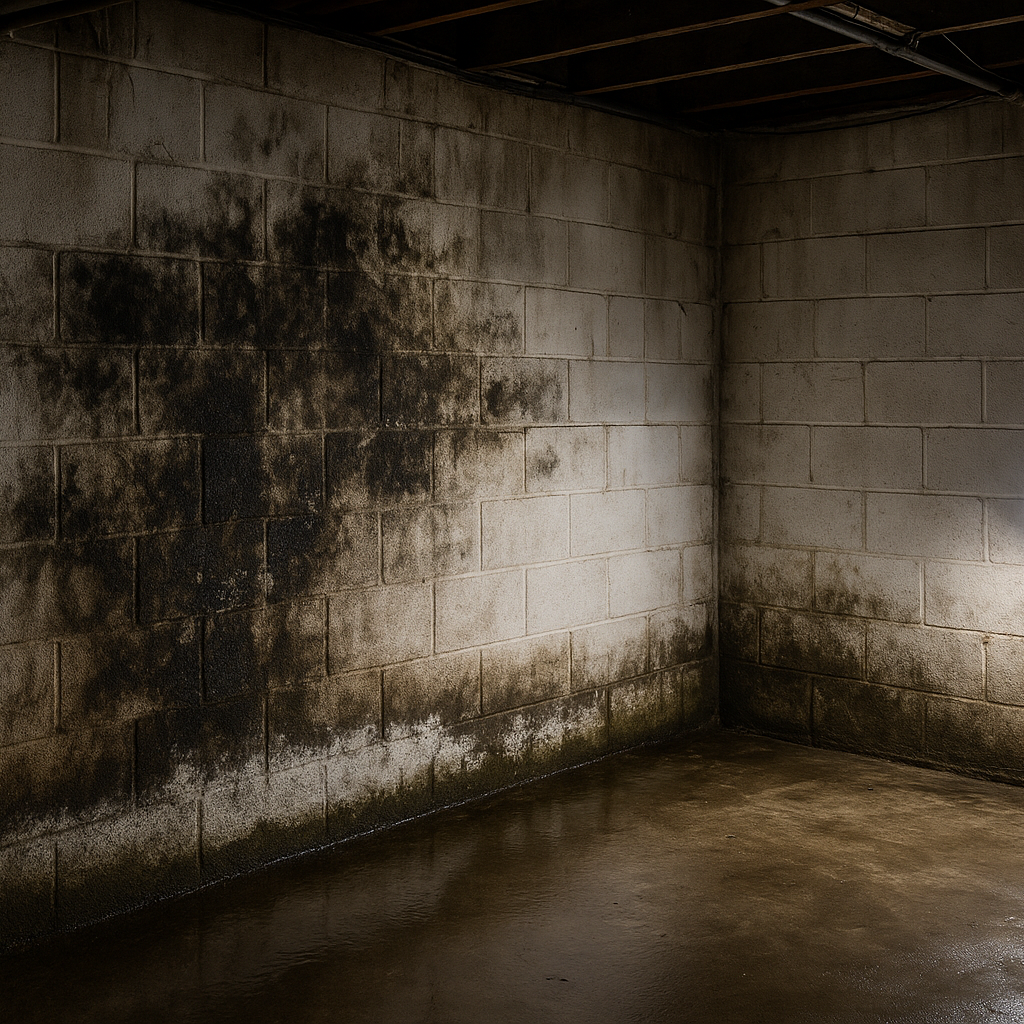
Before: moisture and mold along finished framing
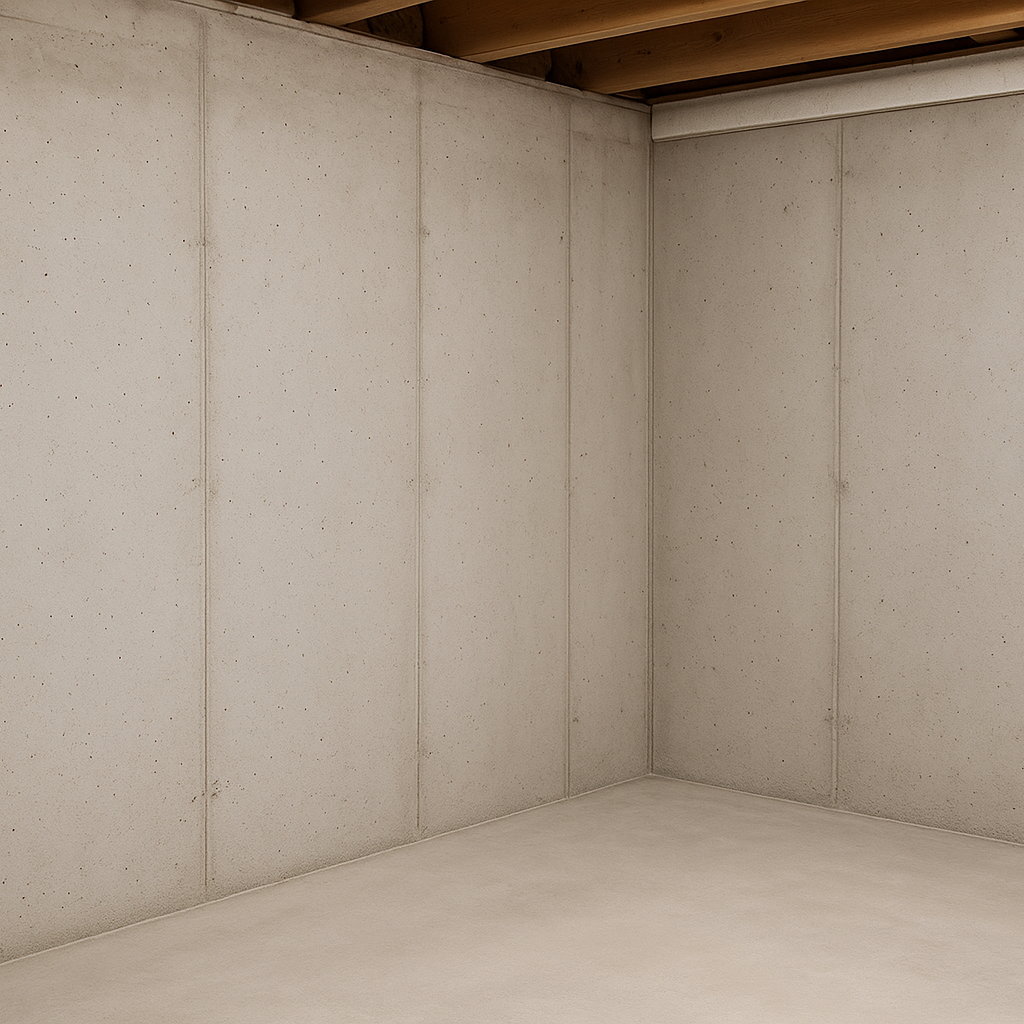
After: removed, treated, and dried
Inspection and testing: worth it?
For a small, obvious patch of surface mold with a clear cause, you may not need lab testing. But testing earns its cost when you need to know what you're dealing with — a suspected black-mold problem, a musty smell with no visible source, a pre-purchase check, a landlord-tenant dispute, or verification that a past problem was actually resolved. A few hundred dollars for an accredited-lab result can save you from either an unnecessary teardown or an under-scoped fix.
How to avoid overpaying in Grand Rapids
A few habits protect your wallet:
- Get more than one quote. Scopes and prices vary widely; comparing two or three keeps everyone honest. (Getting matched through us is one quick way to do that.)
- Insist on a written scope. It should name the affected areas, the moisture source being fixed, the materials being removed, the drying plan, and whether clearance testing is included.
- Be cautious of fear-based upselling. A reputable company explains what's necessary and why; it doesn't pressure you into gutting your house off a single scary word.
- Ask about clearance testing. For anything beyond a tiny job, a post-remediation test confirms the work succeeded — valuable documentation, especially if you'll sell.
- Fix the water first. The cheapest remediation is the one you don't have to repeat because the source got fixed.
Does insurance help?
Sometimes. Michigan homeowners policies often cover mold when it results from a sudden, covered event (a burst pipe, for example) but exclude mold from long-term seepage, humidity, or rising-river flooding. Our guide on Michigan mold and homeowners insurance walks through what's typically covered and how to document a claim. Don't assume either way — read your policy and document everything.
Get a real number for your home
Ranges are useful for budgeting, but your home is specific. The fastest way to a real figure is a free inspection from a local company. We'll match you with vetted Grand Rapids–area pros who'll look at the actual problem and quote it honestly — call (616) 816-2703 or send the form. There's no cost or obligation to get matched.
DIY versus hiring a pro: the cost math
For a small patch of surface mold — under roughly ten square feet, on a non-porous surface, with an obvious and already-fixed moisture source — a careful homeowner can often handle it with proper protection and cleaning for the price of supplies. Where DIY goes wrong, and gets expensive, is on hidden or larger problems: scrubbing a colonized wall without containment spreads spores through the house, and cleaning the surface while the moisture source keeps feeding it just resets the clock. Many of the priciest remediations we hear about started as a DIY attempt that spread the problem. The rule of thumb: if the mold is larger than a few square feet, hidden, recurring, tied to health symptoms, or fed by a moisture source you can't fix yourself, the professional route is cheaper in the end.
How quotes are structured
Most Grand Rapids remediation quotes break down into assessment and testing, containment setup, removal and disposal of affected materials, cleaning and treatment of salvageable surfaces, structural drying, the moisture-source repair, rebuild, and (for larger jobs) clearance testing. When you compare bids, make sure they cover the same scope — a low number that skips the moisture repair or the drying isn't really cheaper, it's incomplete. Ask each company to itemize so you're comparing like for like.