

One of the first questions every homeowner asks is “will my insurance cover this?” For mold in Michigan, the honest answer is “it depends on what caused it” — and understanding that logic helps you both set expectations and document your claim properly. This is general information, not legal or insurance advice; always read your own policy and talk to your agent. We're a referral service, not an insurer.
The core principle: covered cause vs. excluded cause
Most Michigan homeowners policies don't treat mold as its own thing — they treat it as a consequence. If the mold resulted from a sudden and accidental, covered event, the resulting mold is often covered too. If it resulted from an excluded cause — usually long-term moisture, neglect, or flooding — it generally isn't. The mold itself is rarely the question; the water that caused it is.
Commonly covered scenarios
- A burst pipe that suddenly soaks a wall, leading to mold — typically covered, because the cause (sudden pipe failure) is a covered peril.
- A failed water heater or washing machine hose that floods a space suddenly — often covered for the same reason.
- Storm damage that lets water in — for instance, wind tears off shingles and rain enters — often covered.
Commonly excluded scenarios
- Long-term seepage and humidity. Mold from a foundation that has slowly seeped for years, or from chronically high basement humidity, is usually excluded as a maintenance issue.
- Flooding from rising water. This is the big one in West Michigan. When the Grand River overtops its banks or snowmelt floods a basement, that's flood — and flood is almost always excluded from standard homeowners policies. It's covered only by a separate flood insurance policy.
- Neglected leaks. A leak you knew about and didn't fix, and the mold that followed, is typically denied.
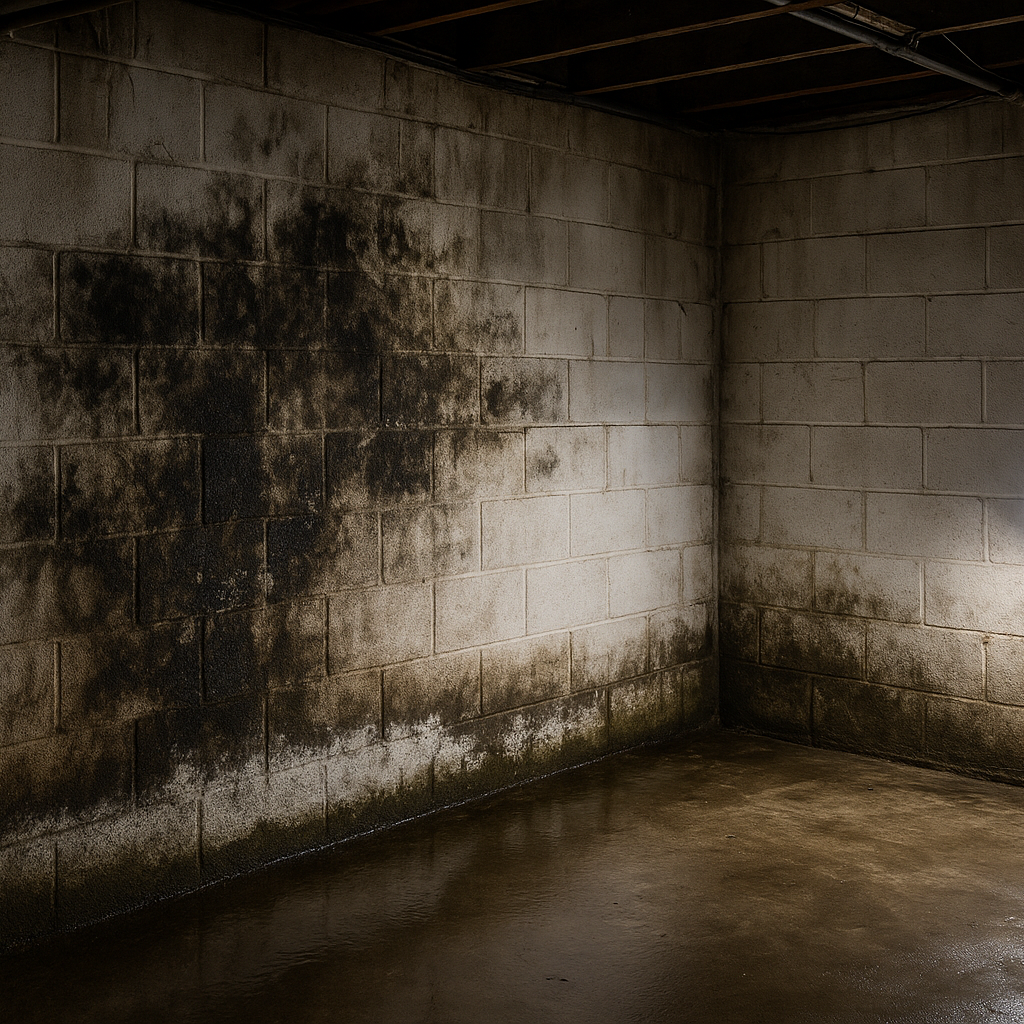
Document the damage thoroughly first
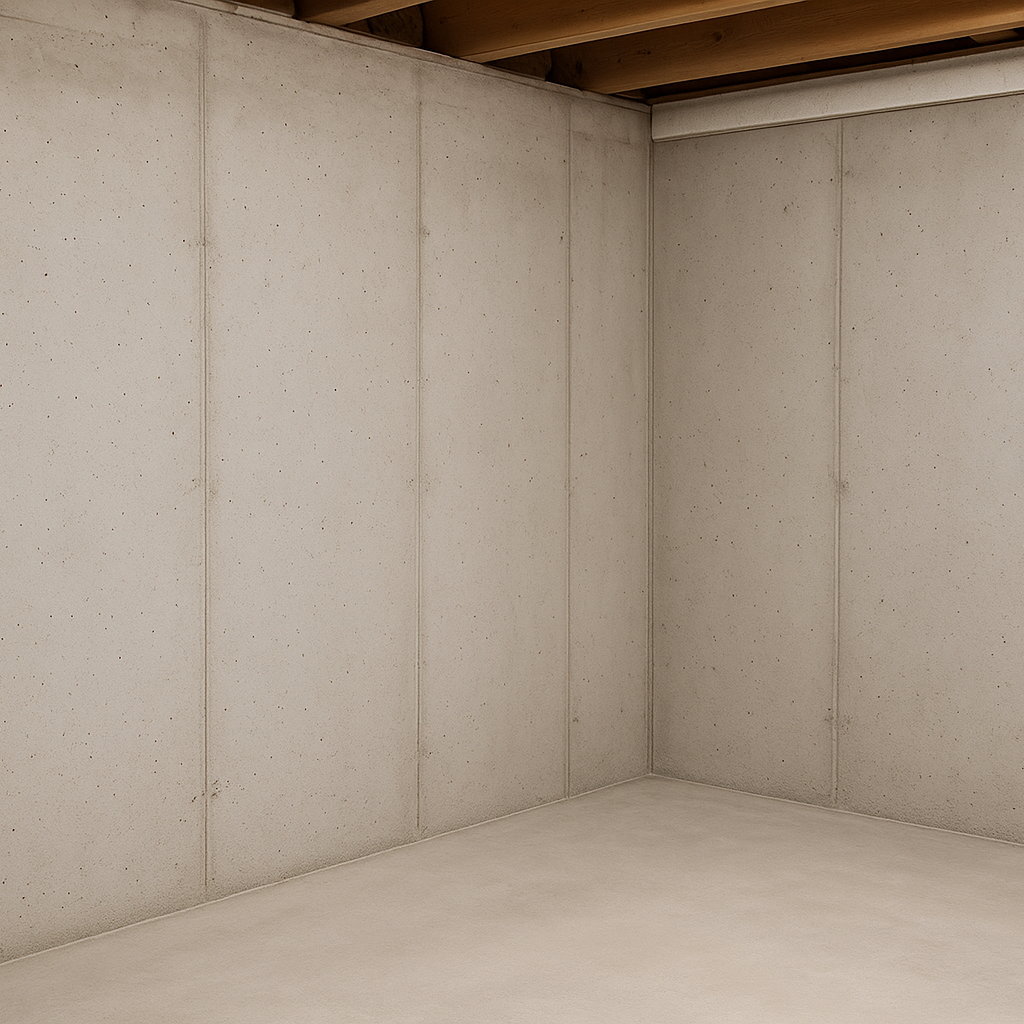
Keep records of the remediation too
Why flooding trips up Grand Rapids homeowners
Because the Grand River and spring thaw make flooding a recurring reality here, many homeowners assume their policy covers it — and are shocked when a claim is denied. If you're in or near a floodplain (much of the West Side, Comstock Park, and low spots along the rivers), a separate flood policy is worth serious consideration. Likewise, a sump-pump-failure or water/sewer-backup endorsement can cover the very common scenario of a pump failing during the thaw or a drain backing up — coverage that the base policy usually omits. Ask your agent specifically about these add-ons.
Mold-specific limits and caps
Even when mold is covered, many policies cap mold remediation at a specific dollar limit — often a few thousand dollars — regardless of the actual cost. Some offer the option to buy higher mold coverage. It's worth checking your policy's mold sublimit now, before you need it, so a covered claim doesn't leave you with a surprise gap.
How to document a claim properly
Documentation is what turns a valid claim into a paid one:
- Photograph and video everything before cleanup — standing water, the waterline, affected materials.
- Establish the cause and timing. Note what happened and when, since the cause drives coverage.
- Report promptly. Delays can hurt a claim; call your insurer as soon as it's safe.
- Keep professional documentation. A remediation company's moisture readings, scope of work, and removed-material records support your claim. Save all receipts.
- Mitigate damage. Policies expect you to take reasonable steps to limit further damage — like stopping a leak and starting drying — so do, and document that too.
Get help with the remediation side
Whether or not your claim is covered, the mold still has to be handled correctly. The Grand Rapids companies we match you with provide the kind of detailed documentation — moisture logs, written scopes, before-and-after records — that both fixes your home and supports an insurance claim. Call (616) 816-2703 for a free assessment, and talk to your insurance agent about coverage in parallel.