Mold and health is a topic surrounded by both genuine concern and a lot of internet hype. The goal here is a clear, balanced picture: what indoor mold can actually do, who's most affected, and when it's worth acting. Important first note — we're a mold referral service, not medical professionals. If you or someone in your home has health symptoms, please talk to a doctor. This article is general information only.
How mold affects the body
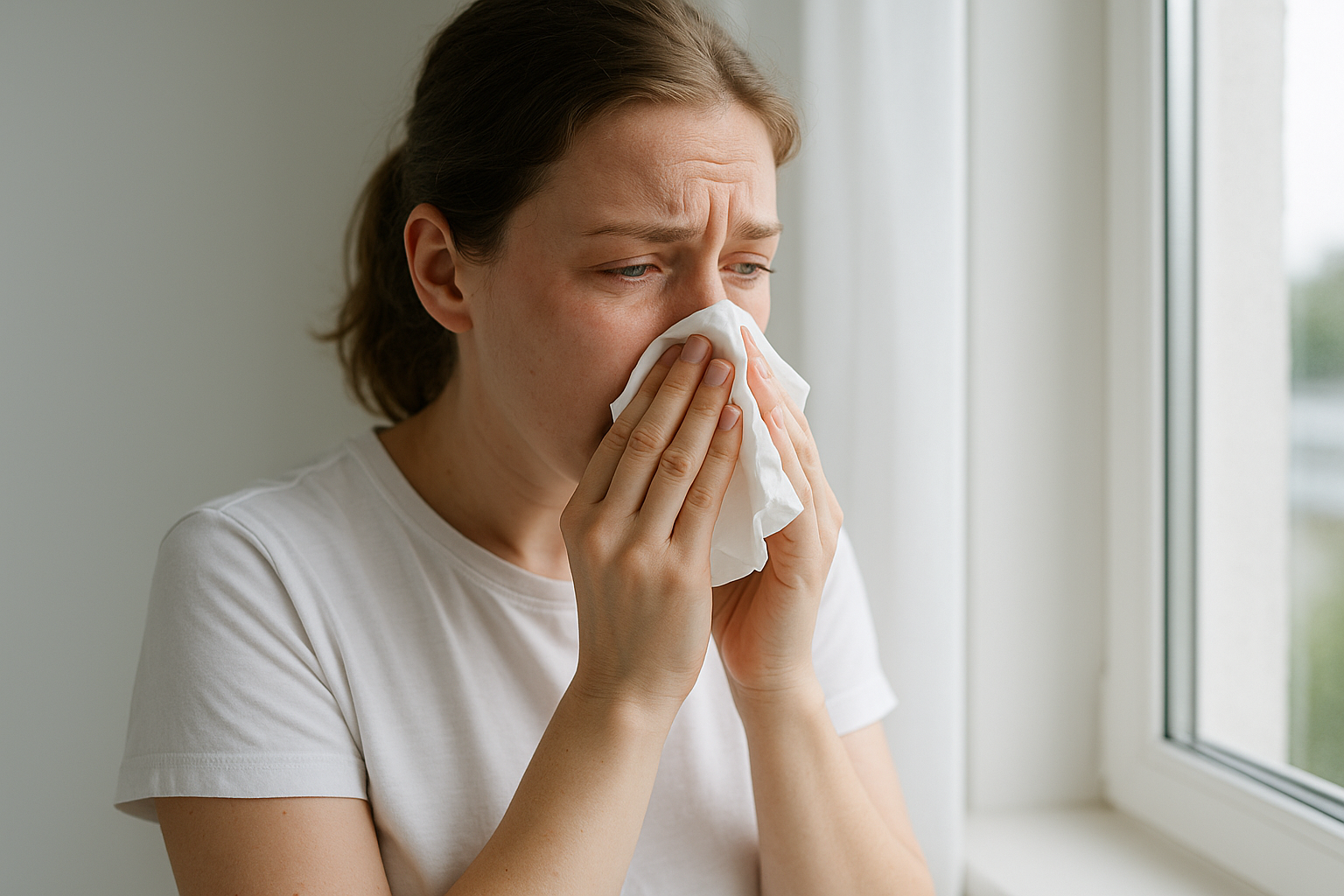
Mold releases tiny spores and fragments into the air, and for many people, breathing them in is the issue. The most common effects are allergic and respiratory:
- Nasal congestion, sneezing, and a runny or stuffy nose.
- Itchy, watery, or red eyes.
- Throat irritation and coughing.
- Skin irritation in some people.
- Worsening asthma — wheezing, chest tightness, and more frequent attacks.
A telling pattern is symptoms that ease when you leave the house and return when you come back. In a climate like ours, where homes are sealed tight against the cold for months, that exposure can be near-constant through winter.
Who is most at risk
Mold doesn't affect everyone equally. Some people live with mold and notice little; others react strongly. The groups most vulnerable include:
- People with asthma or allergies, who may react to even modest exposure.
- Infants and young children, whose airways and immune systems are still developing.
- Older adults.
- People with weakened immune systems — from illness, medication, or treatment — who can be vulnerable to more serious fungal infections.
- People with chronic respiratory conditions.
If your household includes someone in these groups, it's worth treating indoor mold as a higher priority.
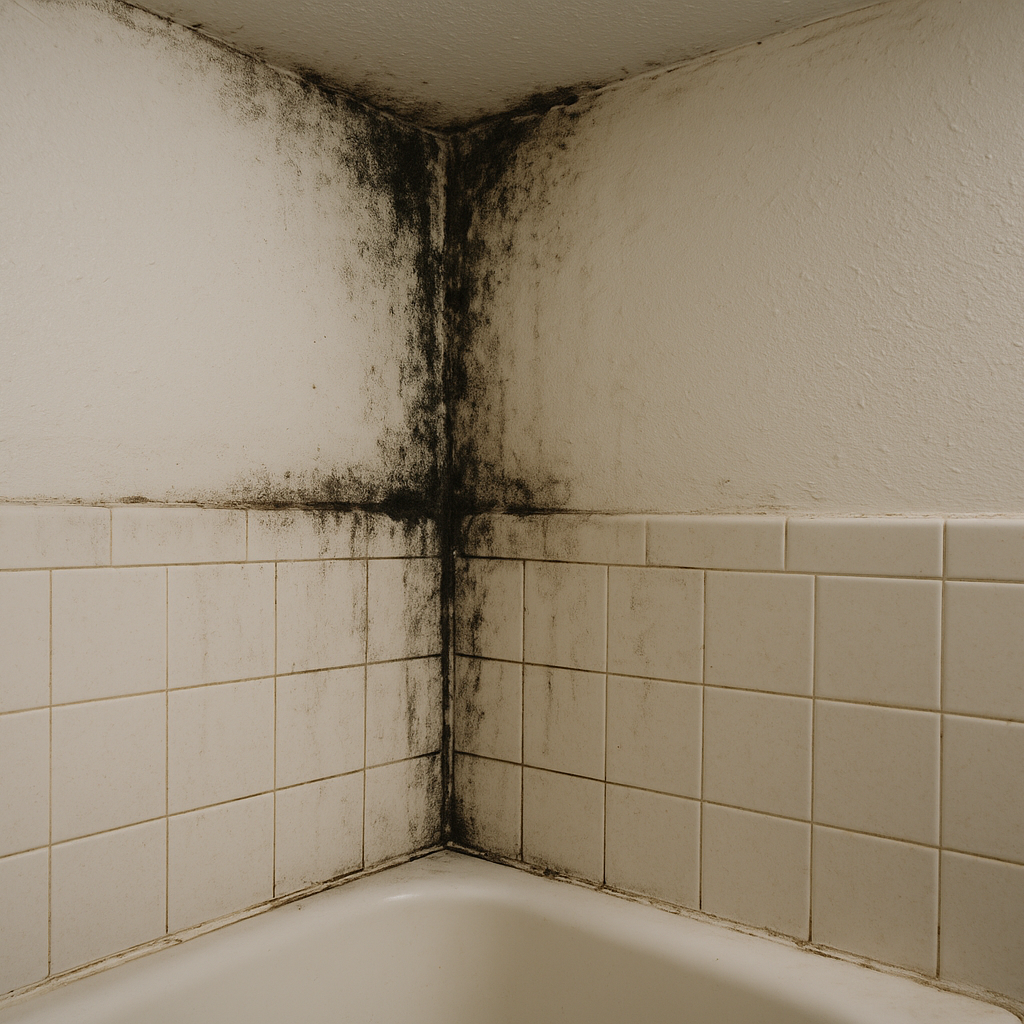
Indoor mold affecting air quality
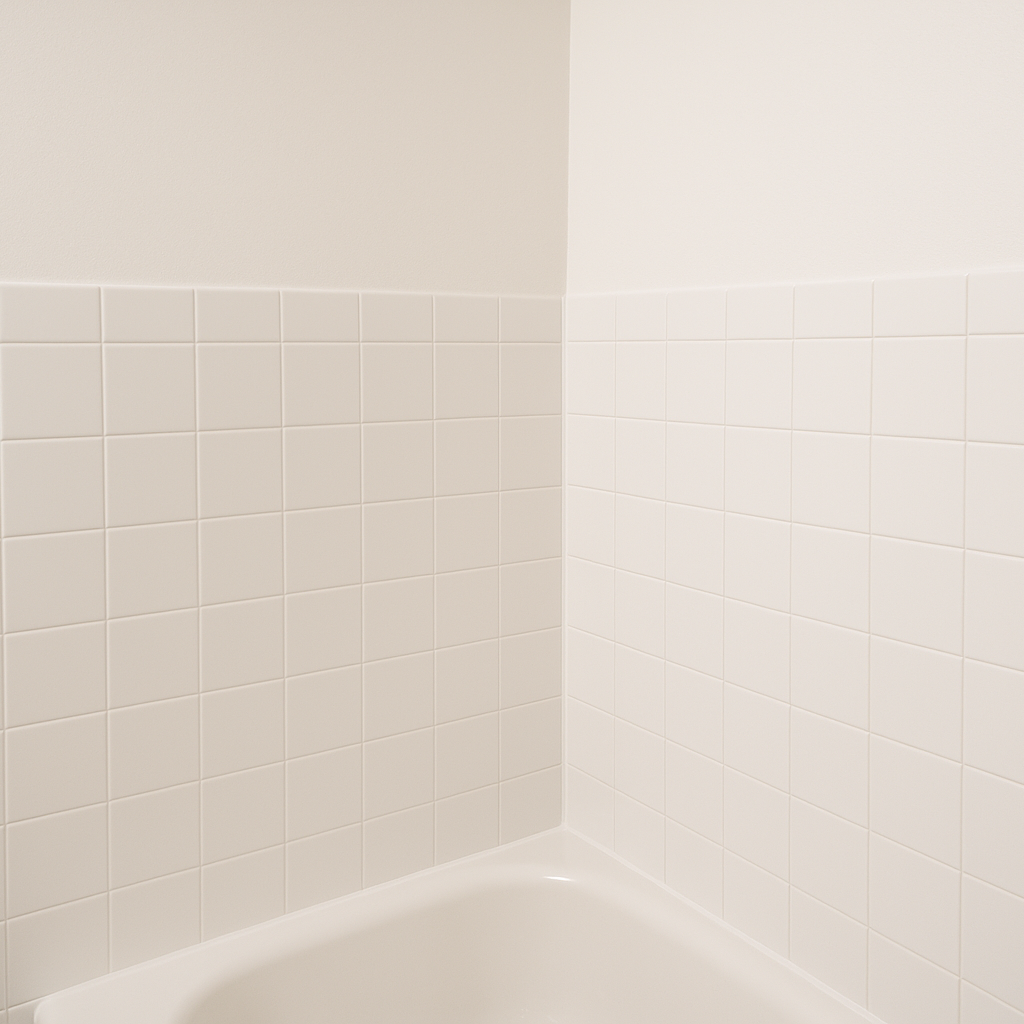
Remediated for healthier air
What about “toxic black mold”?
The term “toxic mold” usually refers to Stachybotrys chartarum, a greenish-black mold that grows on very wet, cellulose-rich materials and can produce mycotoxins. It deserves to be taken seriously and removed carefully — but it's worth keeping perspective. Many black-colored molds are not Stachybotrys, color alone can't identify a species, and the dramatic claims you'll find online often outrun the scientific consensus. What's well established is that damp, mold-prone homes are associated with more respiratory problems, and that the sensible response to any significant indoor mold — toxic or not — is the same: find the moisture, remove the mold properly, and keep the space dry. You don't need a species name to know a moldy, musty home should be fixed.
When to take action
Act when you see visible mold beyond a small, easily cleaned patch; when a musty smell persists; when anyone in the home has unexplained or worsening respiratory or allergy symptoms; after any flooding or significant leak; or when a vulnerable person lives in the home. Acting doesn't always mean a big project — sometimes it's improving ventilation, running a dehumidifier, or cleaning a small area. But persistent, hidden, or large mold, especially with health symptoms involved, calls for a professional who can both remove it safely and fix the moisture source.
The bottom line
You don't need to panic about mold, and you don't need to ignore it either. Mold is a normal part of the environment, but a home with a persistent mold and moisture problem is worth fixing — both for the building and for the people breathing its air, especially the vulnerable ones. If you're concerned about mold in your Grand Rapids home, we'll match you with a vetted local company for a free assessment, and we always encourage you to consult a physician about any health symptoms. Call (616) 816-2703.