
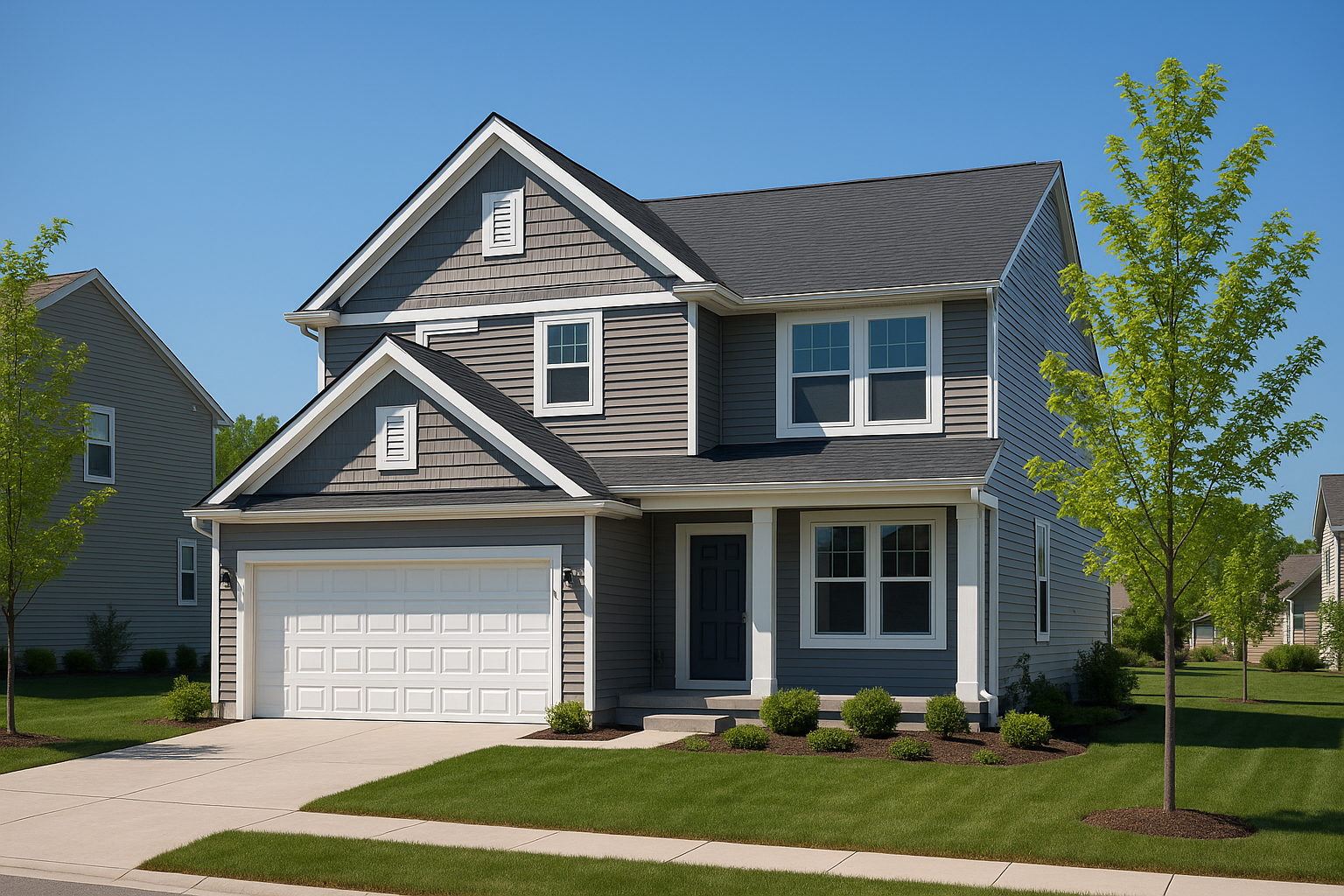
Newer homes have moisture problems too
Kentwood is one of the faster-growing communities in the Grand Rapids metro, with a lot of newer subdivision housing, apartments, and rental properties alongside its established neighborhoods. People are sometimes surprised that newer homes get mold, but modern construction has its own moisture profile. Today's homes are built tight and well-insulated, which is great for energy bills but means that when moisture does get in — from a small plumbing leak, an HVAC issue, or a bath fan venting into the attic — it has fewer ways to dry out, and mold can take hold quickly.
In Kentwood we route a lot of calls involving hidden leaks behind walls, condensation around HVAC equipment and ductwork, and mold in rental units where a tenant has reported a musty smell or visible spotting. Because so much of the housing is newer, the issue is rarely a crumbling old foundation — it's usually a specific, findable moisture source that a pro can trace with a moisture meter and infrared camera.
HVAC, leaks, and tight building envelopes
In a tight modern home, the HVAC system has a big say in moisture. Oversized air conditioners that short-cycle don't dehumidify well, condensate lines can clog and overflow, and ducts running through unconditioned spaces can sweat. Any of these can quietly feed mold. A good inspection in Kentwood looks at the mechanical systems as well as the obvious spots, because fixing a condensation source is what actually stops the mold from returning.
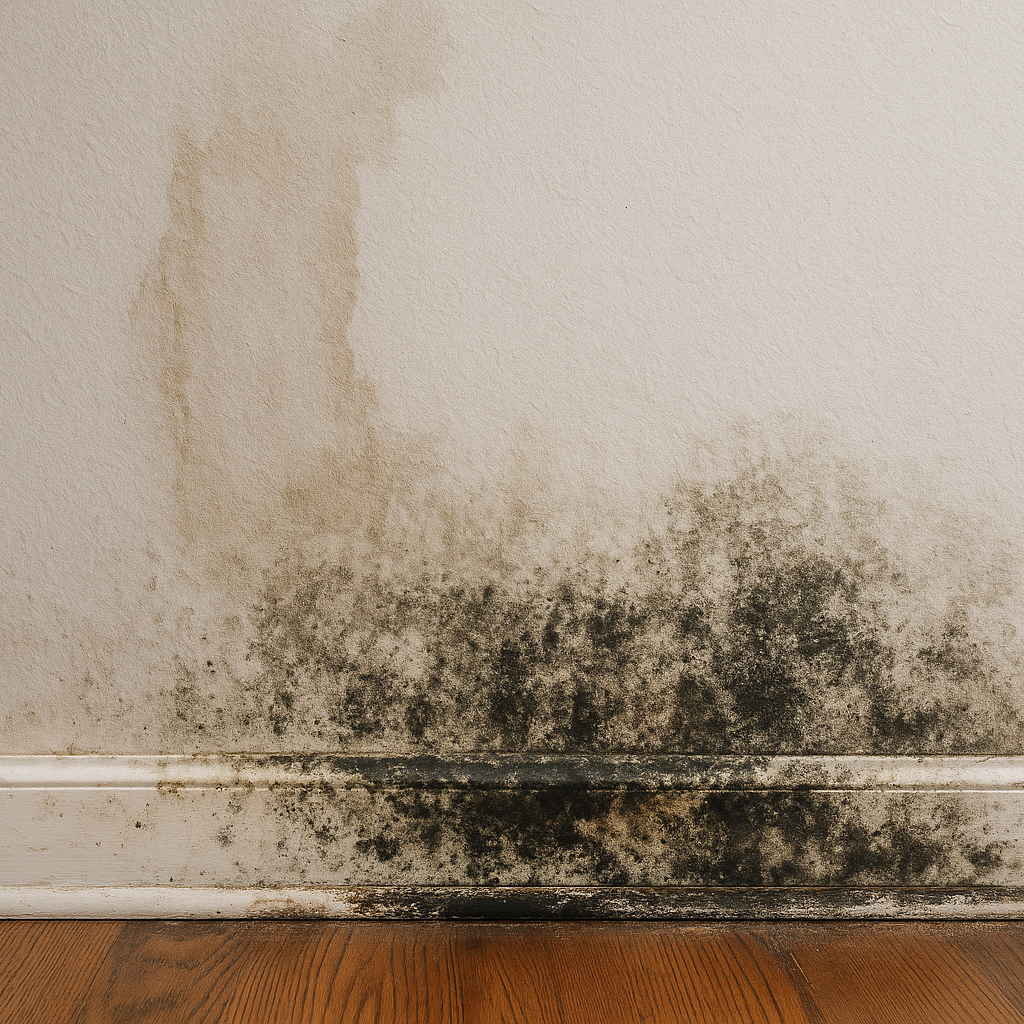
Mold from a concealed leak
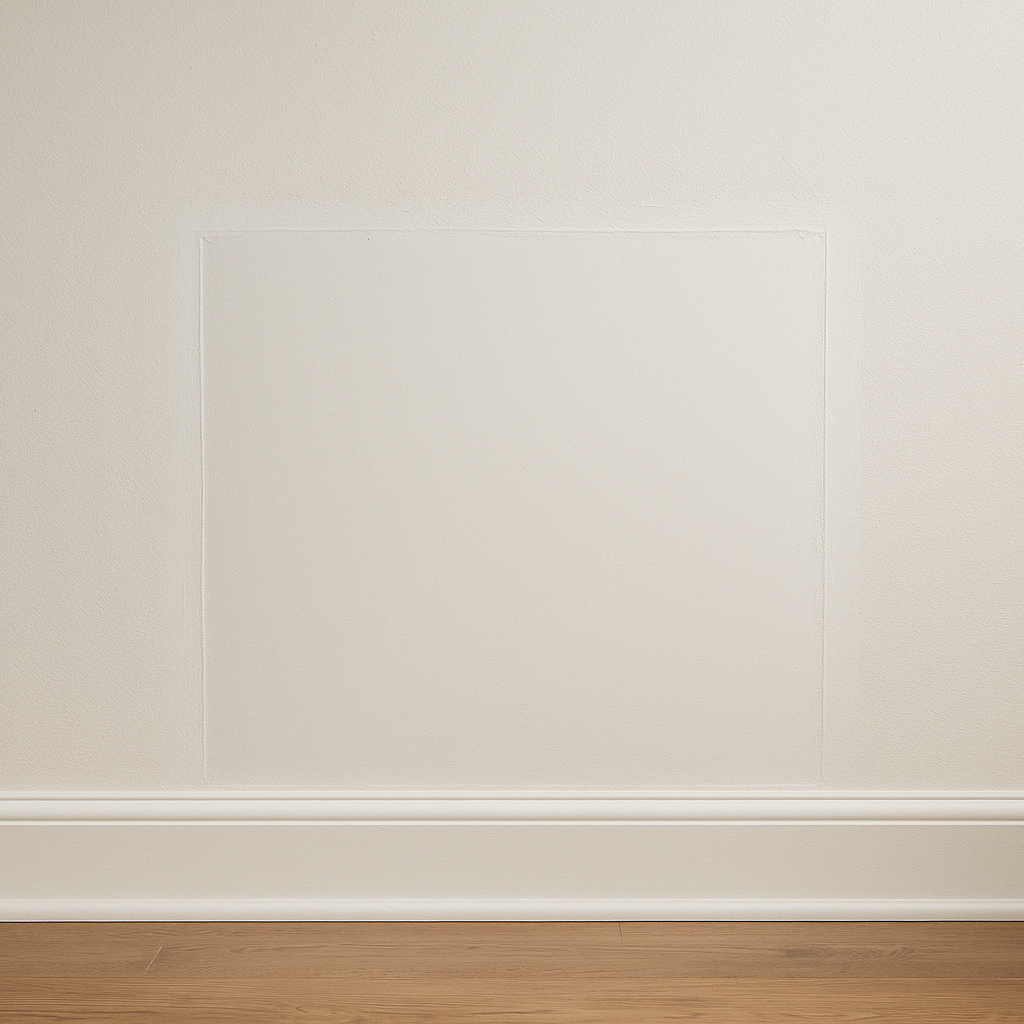
Leak fixed and wall restored
Help for landlords and tenants
With many rentals in Kentwood, we frequently help both landlords meeting their obligations and tenants concerned about air quality. A professional inspection gives both sides an objective answer — what's growing, why, and what it takes to fix it — which keeps a moisture problem from turning into a dispute. We can match property owners with companies experienced in multi-unit and rental work.
How the seasons drive mold in Kentwood
In Kentwood's tighter, newer homes, year-round HVAC condensation can matter as much as any single season.
Spring: Spring thaw is the high-risk season: a deep snowpack and saturated ground push water against foundations and up through slabs, and heavy rains raise the water table and the rivers. This is when most basement moisture and flooding calls come in.
Summer: Humid West Michigan summers are the other danger window. Warm, moist outdoor air pours into cool basements and vented crawl spaces and condenses on the cold surfaces there, feeding mold even without any leak or flood.
Winter: Through the long heating season, warm indoor air carries moisture toward cold surfaces — attic sheathing, exterior walls, and chilly basement corners — where it condenses and feeds mold out of sight. Ice dams add meltwater under shingles.
Because the moisture pressure shifts with the calendar, the best defense in Kentwood is to fix the source and control humidity year-round rather than reacting season by season. A local inspection identifies which seasonal pattern is driving your problem.
What to expect on the visit
A good first visit in Kentwood is mostly diagnosis. The pro walks the property inside and out, puts a moisture meter on the suspect areas, looks for the water source feeding the mold, and — if it's warranted — takes air or surface samples to confirm what's growing. You'll get a written scope and an honest answer about whether this is a small, contained job or something larger. From there the decision is yours; we just make sure the person knocking on your door is qualified and local.
Neighborhoods we serve in and around Kentwood
We match homeowners with mold removal pros throughout Kentwood and the surrounding Grand Rapids area, including the subdivisions near Woodland Mall, the 28th Street and East Paris corridors, Princeton Estates, Bowen, and the neighborhoods off Kalamazoo Avenue and 44th Street. If you're nearby and not sure whether you're in our coverage, just ask — our network of vetted companies serves all of Kent County. Common ZIP codes here include 49508, 49512, 49548.
How matching works in Kentwood
We're not a remediation crew — we're a free local referral service. You tell us what's going on, send a photo if you have one, and we match you with a vetted Grand Rapids–area mold company that serves Kentwood. They come out, inspect, and quote; you choose whether to move forward. There's no cost or obligation to get matched, and you're talking to a real local pro, not a national call center.
Because we work with more than one company across Kent County, we can usually line up a fast appointment even in spring, when thaw and rain keep every remediation crew in the region busy. Call (616) 816-2703 or send the form and we'll get the right local pro headed your way.